How to Choose the Right Barcelona Private Tour Guide for Your Visit
Choosing a barcelona private tour guide is less about finding someone who knows the city and more about finding someone who knows how to shape a visit around you. Barcelona rewards curiosity. A good route can move from narrow medieval streets to grand modernista buildings, then end with a slow look over the city from Montjuïc hill. A poor fit can feel like a rushed lecture, with too many stops and not enough time to take anything in.
The right choice depends on your dates, your pace, your interests, and the way you like to receive information. Before comparing options, get clear on what kind of day you want. That first decision makes every later choice easier.
Start with the purpose of the day
Write down the main reason you want a private outing. Some visitors want a first-day orientation, with the Gothic Quarter, Sagrada Familia, and Park Güell placed in a sensible order. Others want a deeper theme, such as architecture, food, history, art, or a family-friendly route with short breaks. A guide who is excellent at broad sightseeing may not be the best match for a detailed architecture walk, and the reverse can also be true.
Think about who is coming. Adults who enjoy long walks may be happy with a full day on foot. A family with younger children may need a shorter route, shaded pauses, and clear meeting points. Older travelers may prefer fewer stairs, transport between distant sites, and a plan that avoids standing for long stretches. These needs are not minor details. They should shape the whole route.
Once the purpose is clear, decide how much structure you want. A customized itinerary can be useful if you have specific places in mind, but it still needs breathing room. Barcelona traffic, timed entries, queues, and simple human energy can change the shape of a day. A rigid plan with too many stops often feels worse than a shorter plan done well.
Check the route and the rhythm
Ask how the route is built and what happens between the main sights. A strong plan considers geography, opening patterns, walking distance, and the order of crowded areas. It should also explain where there will be time to sit, take photographs, use facilities, or simply look around. If every minute is filled with commentary, the city has little chance to speak for itself.
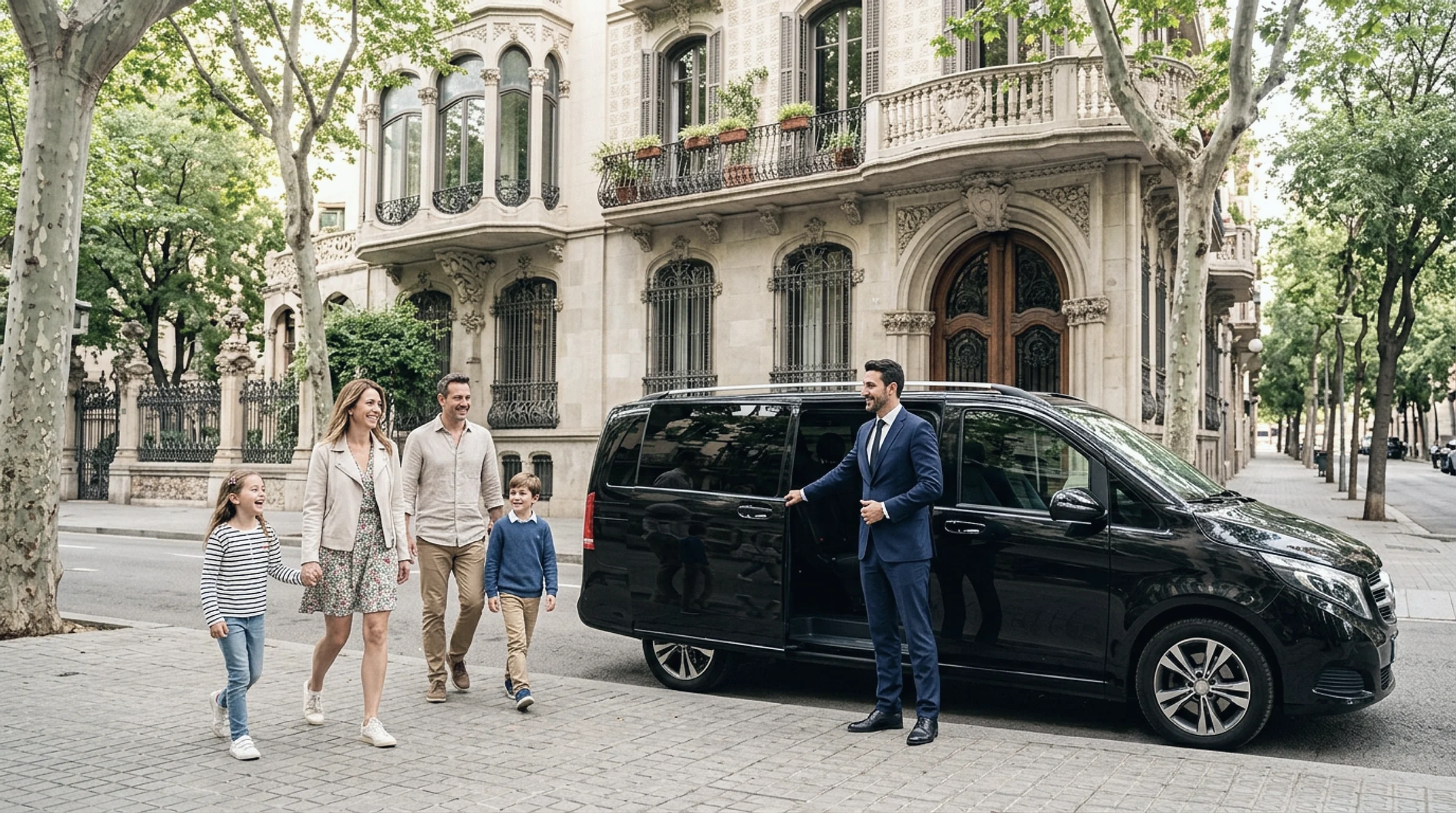
Pay attention to the balance between famous sites and quieter streets. Barcelona is easy to recognize from its headline landmarks, but many memorable moments come from a side street, a courtyard, a market corner, or a view that appears suddenly. A private outing should make room for those discoveries rather than treating them as filler.
Transport is another practical point. Some parts of the city are best explored on foot, while others are far enough apart that a metro ride or other transfer makes sense. Ask whether the route includes transfers and how they are handled. A plan that looks compact on a map can still be tiring in heat, rain, or peak visitor season.
Look for clear communication before booking
Good communication is a strong sign of a well-run experience. A guide or booking contact should ask useful questions about your group, your interests, your arrival details, and any limits that affect the day. Vague replies can lead to a mismatch, especially when timing matters. Clear answers about meeting points, duration, walking level, and route style help you judge whether the outing fits.
This is also the stage to compare the value of different options without focusing only on the headline details. A shorter route may suit a cruise day or a quiet afternoon. A longer route may work better if you want several neighborhoods connected in one outing. What matters is whether the plan respects your time and attention.
Sites such as privatetourinbarcelona.com can be useful when comparing how options are presented, especially the clarity of the descriptions and the range of themes. The website itself should not be the only basis for a decision, but clear information at this stage often points to a more organized experience.
Ask about the guide's style, not just the sights
A private tour guide sets the tone of the day. Some speak in a lively, story-led style. Others are calm, precise, and happy to answer detailed questions. Neither approach is automatically better. The best style is the one that matches the group.
Ask how the guide handles questions, pauses, and changes of pace. A good answer should suggest flexibility without sounding unstructured. For example, if a visitor becomes interested in a building, a guide should be able to give a focused explanation without turning the next hour into a lecture. If the group wants quieter time, that should be respected.
Language matters too. Confirm the language of the tour and ask what happens if some guests understand it less easily than others. Clear, simple explanation often works better than dense detail, particularly with mixed groups. The aim is to leave with a stronger sense of the city, not to collect facts you will forget by dinner.
When discussing expertise, ask specific questions. A guide focused on architecture should be able to explain why Sagrada Familia looks the way it does, how Park Güell fits into the wider city plan, and what makes a particular street or building worth stopping for. A history-led route should connect places rather than simply naming dates. Specific answers reveal preparation better than broad claims.
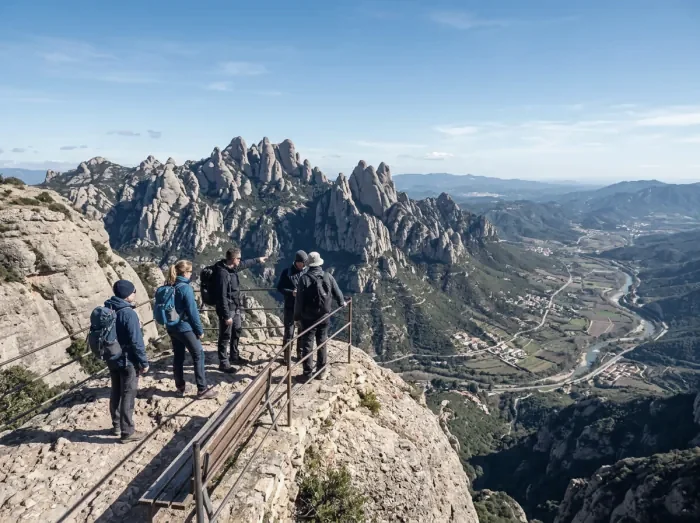
Understand entry, access, and timing
Some visitors assume a private guide automatically means instant access everywhere. That is not how major attractions work. Timed tickets, security checks, and entry rules can still apply. If skip-the-line access is mentioned, ask exactly what it covers and what it does not. Knowing this in advance prevents frustration at the door.
Timing also affects the quality of the day. Early routes can be calmer in busy areas, while later routes may suit people who prefer a slower start. Some places are at their best in daylight, others feel different as the light changes. A thoughtful plan uses those differences instead of treating every hour as equal.
Ask what happens if a site is closed, a street is busy, or weather changes the plan. A reliable route should have sensible alternatives. This does not mean every surprise can be solved, but the guide should have a clear approach. A vague answer may suggest a plan that only works under perfect conditions.
Match the group size and level of attention
One reason people choose a private outing is the chance to set the pace. That only works if the group size is suitable. A large family or a group of friends may need more time for regrouping, while two travelers may prefer a more conversational route. small group size can help when the aim is to ask questions and move without waiting for a crowd, but the right size depends on the people involved.
Discuss mobility and comfort openly. Include stairs, steep streets, long stands, and noisy areas in the conversation. If someone is likely to struggle, the route should be adjusted before the day begins. A guide who listens at this point is more likely to make good decisions during the outing.
Food stops deserve similar care. wine tasting can fit neatly into a route, but it can also slow the day or clash with other plans. Ask whether tastings are built into the route, how long they take, and whether non-drinking guests have a suitable alternative. The best itinerary gives everyone something to enjoy.
Read the details that reveal quality
Before confirming, reread the description and compare it with what you were told. Does the route mention the places you care about? Does the duration allow enough time for them? Are meeting arrangements clear? Are there any extra costs or entry requirements you need to handle? These checks are practical, not fussy. They prevent small misunderstandings from becoming the main memory of the day.
When names or brands are part of your research, keep them in context. privatetourinbarcelona.com is one reference point among others, and the decision should still rest on fit, clarity, and the route on offer. Look for consistency between the information provided and the answers you receive. If the details shift without explanation, pause and ask again.
Trust also comes from boundaries. A professional guide should be clear about what is included, what is not, and where the day begins and ends. They should avoid promising more than can be delivered, especially where access, traffic, or attraction rules are involved. Honest limits are a better sign than sweeping claims.
Make the final choice with a simple test
Before booking, picture the day in three parts: the start, the middle, and the finish. At the start, you should know where to meet, who you are meeting, and what the first stretch involves. In the middle, the route should connect the sights in a sensible order and include enough pauses. At the finish, you should know where you will be and how to continue your day.
If one of those parts is unclear, ask for clarification. A good barcelona private tour guide will make the plan easier to understand, not more complicated. The right fit should feel calm before the day even begins, with enough structure to cover the essentials and enough flexibility to follow what interests you.
A private outing works best when it feels tailored without feeling forced. Choose the route around your real interests, check the practical details, and pay close attention to how the guide communicates. Those habits lead to a day that feels easy, informed, and genuinely connected to Barcelona.